Transform Your Office: Effective Waste Reduction Techniques
If you want to transform your office into a more sustainable, eco-friendly space, mastering effective waste reduction techniques is essential. Waste management isn't just about protecting the environment - it can also boost team morale, reduce operational costs, and even enhance your company's brand reputation. In this guide, we'll explore comprehensive strategies and actionable steps you can use to minimize waste in your workplace, creating a more responsible and productive office culture.
Why Office Waste Reduction Matters
Did you know the average office worker generates about two pounds of waste every day? From discarded paper to single-use plastics and obsolete electronics, the cumulative impact of office waste is staggering. Effective waste reduction techniques for offices help conserve resources, cut energy costs, and reduce environmental pollution. Embracing waste minimization also aligns your business with modern sustainability goals, appealing to eco-conscious clients and employees.
Key Benefits of Waste Reduction
- Lower disposal costs: Less waste means fewer trash pickups and lower fees.
- Improved corporate image: Green initiatives enhance your brand and marketability.
- Employee engagement: Waste-reduction campaigns encourage teamwork and responsibility.
- Regulatory compliance: Many regions mandate sustainability reporting and recycling.

Step 1: Conduct a Comprehensive Waste Audit
The first step in transforming your office with effective waste reduction techniques is to understand where your waste comes from. Performing a waste audit helps you collect data on your office's waste types, volumes, and sources. The findings will guide your sustainability initiatives and provide a baseline for measuring progress.
How to Perform a Waste Audit
- Gather a team: Appoint volunteers from different departments to oversee the process.
- Track disposal habits: Record what goes into your bins over 1-2 weeks, noting quantities and categories (paper, plastics, compostables, etc.).
- Analyze results: Identify items that could be reduced, reused, or recycled more effectively.
- Set actionable goals: Use your findings as a roadmap for waste reduction initiatives.
Step 2: Implement the 3Rs - Reduce, Reuse, Recycle
Every successful office waste reduction plan is underpinned by the classic "3Rs":
- Reduce: Eliminate unnecessary materials and change habits.
- Reuse: Maximize the usable life of products and office supplies.
- Recycle: Properly process items that can't be avoided or reused.
Reducing Office Waste - Practical Tips
- Go digital: Shift from paper to electronic formats for newsletters, memos, and records.
- Double-sided printing: Encourage employees to print on both sides of the paper when printing is necessary.
- Centralize office supplies: Store items in a communal area to prevent over-ordering and duplicates.
- Purchase in bulk: Reduce packaging waste by buying larger quantities.
- Ban single-use plastics: Replace disposable cups, cutlery, and bottles with reusable alternatives.
Ideas for Reusing in the Workplace
- Refillable pens and printer cartridges: Choose office supplies that can be refilled instead of thrown away.
- Upcycle packaging: Repurpose boxes and bubble wrap for internal use or deliveries.
- Re-purpose furniture: Donate or refurbish old desks, chairs, and IT equipment.
- Reusable mugs and containers: Encourage staff to bring their own or supply branded ones.
Recycling Office Materials
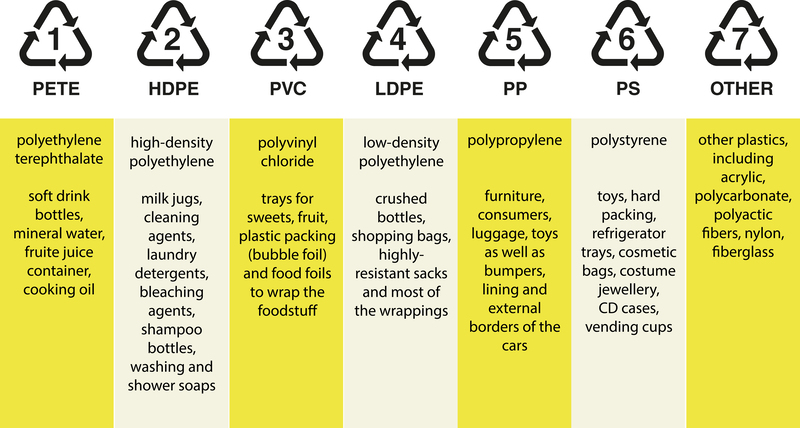
- Set up convenient recycling stations: Place well-labeled bins throughout the office to separate paper, plastic, glass, and e-waste.
- Educate employees: Use signage and training sessions to improve recycling rates and reduce contamination.
- Partner with charities: Donate old electronics and furniture for reuse or refurbishment.
Step 3: Minimize Paper Usage
Going paperless is one of the most effective waste reduction techniques for offices. Not only does it save trees, but it also cuts printing costs and reduces clutter.
Switching to a Digital Workflow
- Adopt digital signatures: Use e-signature platforms for contracts and internal approvals.
- Cloud storage: Share documents online instead of printing copies for meetings.
- Use project management tools: Keep notes, reminders, and tasks online for team collaboration.
Encourage Responsible Printing
- Password-protected printing: Reduce abandoned printouts with secure printing policies.
- Default to double-sided printing: Save paper instantly by updating printer settings.
- Recycle printer cartridges: Partner with providers who offer cartridge recycling.
Step 4: Rethink Office Supplies and Procurement
For a transformative approach to office waste reduction, re-evaluate the products you purchase and the vendors you support.
Eco-Friendly Office Purchasing Strategies
- Opt for recycled products: Buy recycled paper, refillable pens, and remanufactured equipment.
- Sustainable suppliers: Work with companies committed to green packaging and minimal waste.
- Minimal packaging: Choose vendors who deliver in bulk or in compostable packages.
- Buy durable over disposable: Invest in quality office supplies that have a longer life.
Step 5: Prevent Food Waste in the Office
Kitchens and breakrooms can be hotspots for daily waste, from lunch leftovers to single-use packaging. Effective office waste reduction strategies address food and organic waste head-on.
Ways to Cut Down on Food Waste
- Shared fridge policies: Label dated food, and assign a weekly clean-out schedule.
- Organize potlucks: Encourage employees to collaborate on meals, reducing surplus packaging and leftovers.
- Offer composting: Set up a compost bin for coffee grounds and food scraps, and partner with a local composting service.
- Bulk coffee and tea stations: Replace individual packets with shared supplies to reduce waste.
Step 6: Manage E-Waste Responsibly
Outdated electronics--printers, computers, smartphones--are a unique challenge in office waste reduction. E-waste often contains hazardous materials, so it's crucial to dispose of it properly.
Proper E-Waste Disposal Tips
- Partner with certified recyclers: Choose reputable companies that safely recycle electronics.
- Donate working equipment: Many nonprofits and schools accept gently-used tech for reuse.
- Erase data securely: Protect company information by fully wiping all devices before disposal.
- Buy-back programs: Some vendors will take back old products for responsible recycling.
Step 7: Promote a Green Office Culture
True transformation comes from building a waste-aware team. Successful adoption of effective office waste reduction techniques requires buy-in from leadership and every employee.
How to Engage Employees in Waste Reduction
- Create a green team: Form a committee to lead waste-reduction efforts and organize events.
- Host zero-waste challenges: Set monthly goals (e.g., plastic-free July) and reward successes.
- Offer training and workshops: Educate staff on recycling, composting, and sustainable practices.
- Share results: Post waste reduction stats in common areas to motivate and inform.
The Importance of Measuring and Reporting Progress
Implementing waste reduction techniques in your office is only half the battle. Continual measurement and transparent reporting ensure accountability and inspire further improvement.
Tracking Your Success
- Monitor waste disposal: Weigh recycling and trash bins regularly to track reductions.
- Employee feedback: Survey staff about changes and areas for improvement.
- Annual sustainability report: Publish statistics, challenges, and future goals for stakeholders.
Leveraging Technology for Office Waste Reduction
Modern tech tools can play a pivotal role in your office waste reduction strategies. From cloud collaboration to automated recycling reminders, the options are plentiful.
- Document management systems: Replace paper forms and archives with secure online files.
- Inventory tracking: Use apps to monitor supply usage and prevent unnecessary ordering.
- Smart recycling bins: Invest in bins that automatically sort materials or send alerts when full.
Creating an Actionable Waste Reduction Policy
Your office's waste transformation should be guided by a written plan. An effective policy provides clarity, sets expectations, and formalizes priorities.
Essential Elements of an Office Waste Reduction Policy
- Clear objectives: Define your sustainability mission and measurable goals.
- Roles and responsibilities: Assign leaders and specify staff contributions.
- Guidelines for disposal and recycling: Outline processes for daily waste handling.
- Staff engagement plan: Specify how you'll train and motivate employees.
- Review schedule: Plan for regular audits and policy updates.
Conclusion: Start Your Transformation Today
The journey to a greener office doesn't require major upheaval--just a commitment to action and a willingness to rethink old habits. By adopting these effective waste reduction techniques, you can significantly cut costs, conserve resources, and inspire your workforce. Small changes add up: when every employee and leader takes responsibility, the results are dramatic and enduring.
Ready to transform your office? Start today by conducting a simple waste audit, engaging your team, and rolling out one new waste minimization tactic at a time. Not only will you reduce your environmental impact, but you'll create an office environment that's efficient, healthy, and future-ready for success.
Further Reading & Resources
Transform your office, reduce waste, and empower your team to make a difference--starting now!