Ruislip House Clearance in Ruislip
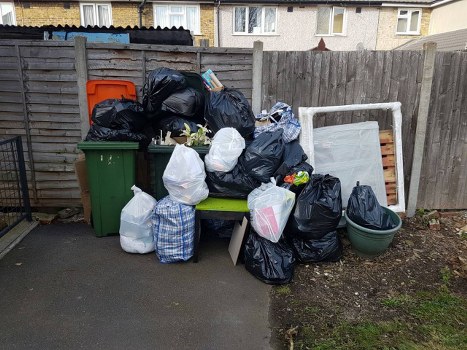
Ruislip House Clearance provides a practical house clearance service in Ruislip for homes that need furniture, appliances, household effects and general contents removed with care. The work can be arranged for complete properties or specific rooms, depending on what needs to go. Our focus is on making the process straightforward for customers who want a dependable team to handle the lifting, loading and responsible sorting of items without turning the day into a disruption.
House clearances are rarely identical, so the service needs to stay flexible. Some properties contain a full mix of furniture, crockery, clothing and stored belongings that need methodical removal. Others require a narrower scope, such as the clearance of a single bedroom, a living room, a loft or the contents left behind after a move. We provide the kind of clear, organised removal that helps customers understand what is being taken away and how the work will be approached.
If you need house clearance in Ruislip, you can request a quotation once you know the rooms, items and access involved. That helps set the right expectations for the job and keeps the enquiry focused on the actual clearance rather than guesswork. See how quotations are prepared if you want to understand the main factors before making contact.
Whole-house and partial clearance options
A full house clearance is often the most efficient choice when a property has a large number of items spread across several rooms. It allows furniture, soft furnishings, smaller domestic goods and miscellaneous contents to be removed in one planned visit. Partial clearances can be better when only certain areas need attention, such as a spare room, reception rooms or storage spaces. The right option depends on the volume of items, the layout and how much sorting has already been done.
Our approach is designed around the specific property rather than a one-size-fits-all routine. For some households, the priority is simply to free up space before sale, let or refurbishment. For others, the work must be carried out with extra care because items may need to be separated for keeping, passing on, recycling or disposal. Read more about our home clearance service if you want to compare the broader domestic options before you decide.
What can be included in the clearance
House clearance normally covers a wide range of everyday items: wardrobes, tables, chairs, beds, shelving, boxed belongings, small electricals and general household clutter. Where appropriate, larger items may be broken down to make removal easier, and lighter loose contents can be collected at the same time. If certain items are to remain in the property, it helps to identify them clearly so the clearance can proceed without unnecessary handling.
Careful removal from lofts, garages and storage areas

Not every clearance begins in the main living areas. Many jobs start in places that have become overfilled over time, such as lofts, garages, airing cupboards and sheds. These spaces often contain mixed items with little obvious order, which makes a careful approach important. A good clearance plan allows these areas to be emptied methodically so that usable items are separated from things that are ready to leave the property.
Loft and garage work may involve awkward access, narrow stairways or tightly packed contents, so the best results usually come from steady sorting rather than rushing. Items may be removed in stages, especially when there are boxes, seasonal possessions, broken household goods or long-stored furniture to deal with. Explore loft clearance if the top floor storage space is your main concern, or look at garage clearance for a more focused service.
Where the job also involves garden stores or outdoor clutter, the same organised method can be extended to outside areas. That can include planters, garden furniture, tools, old bags, damaged materials and general weathered items that no longer need to stay on site. Find out about garden clearance if you need the outside spaces handled alongside the rooms inside the house.
Furniture and bulky items removed with care
Furniture is a central part of many house clearances, and the way it is handled can make a noticeable difference to the smooth running of the job. Sofas, wardrobes, beds, tables, cupboards and similar items often need to be lifted, turned or dismantled before removal. Our furniture-focused work is intended to make that process manageable while keeping the property tidy and protecting walls, stairs and other surfaces as the items are taken out.
Bulky items can also raise practical questions about access, weight and whether anything needs to be separated before removal. If a property contains several large pieces, it may be worth grouping them by room or identifying which items remain in place. That helps keep the clearance organised and avoids unnecessary handling. Read about furniture clearance for a closer look at how larger domestic items are dealt with, or see furniture disposal if you are comparing the handling of individual pieces.
- Large items can be removed from living rooms, bedrooms and dining areas.
- Items may be dismantled when that makes the clearance safer or easier.
- Mixed furniture loads can be combined with smaller domestic contents where appropriate.
- The job can be tailored to items that are staying, being kept or being removed.
Clearance for moves, empty homes and changing circumstances

House clearance is often needed when a property is changing hands, being prepared for renovation or adjusted after a move. In those situations, the work is less about a single category of item and more about clearing the property in a sensible order. That might involve sorting through rooms, removing forgotten belongings and dealing with items that no longer have a place in the home. The main aim is a clean, workable result that suits the property’s next stage.
Emptying a home can also involve separate decisions about furniture, white goods, boxed possessions and general clutter. Some customers want the largest items removed first, while others prefer each room to be cleared in a sequence that makes inspection easier. If the property is part of a move or a change in occupancy, it helps to identify what should remain and what should go before the work begins. Learn more about house clearance if you are planning a complete property clearance, or see our flat clearance service for smaller homes and apartments.
Where the clearance is connected to an office, workspace or mixed-use property, a different method may be more suitable because the contents can be more varied and the access arrangements different. We can also handle commercial spaces where the requirement is to remove furniture, equipment and general contents in an organised way. Review office clearance if that better matches the building you need cleared.
Sorting, reuse and responsible disposal
Responsible sorting is an important part of any house clearance because not every item needs the same destination. Some goods may be suitable for reuse, some may be broken down for material recovery, and others may be taken for disposal in line with the nature of the item. A well-planned clearance recognises that different materials call for different handling, rather than assuming everything from a home should be treated in one way.
This is especially useful where a property contains a mixture of furniture, everyday household goods and items with possible resale or reuse value. It also helps when a job includes mixed waste rather than simple furniture removal. Our service is built around practical sorting so the clearance stays orderly from start to finish. Read about recycling and sustainability if you want more detail on that side of the process, or see our waste removal service for broader non-household jobs.
We also handle builders-related waste where renovation or repair work has created leftover materials around the home. That can include bagged rubble, packaging, broken fittings and other post-project debris, subject to the specifics of the job. Look at builders waste clearance if your property clearance includes renovation debris as well as domestic items.
How to prepare a house clearance enquiry

A clear enquiry makes it easier to discuss the job properly. It helps to know which rooms need attention, whether there are large items that need dismantling, and if access is straightforward or restricted. Photos can be useful when they show the quantity and type of contents, but they are not the only way to explain the work. A written list of the main items, along with any timing preferences, usually gives a solid starting point.
It is also worth noting whether there are items you want to keep, donate, recycle or leave in place, because that can affect how the clearance is organised. If some contents are fragile, heavy or awkward, that is worth mentioning as well. Keeping the information focused on the property and the items involved leads to a more useful quotation request and helps avoid unnecessary back-and-forth. Make an enquiry about your clearance when you are ready to share the details.
Information that is especially useful
Room count, item types and access details are usually the most useful points to include. If you can say whether the work is a single room, a full property or a combination of areas, that gives a much clearer picture than a broad description alone. It is also helpful to mention any stairways, loft hatches, tight corridors or parking considerations that may affect the removal process.
Working around property condition and access
House clearance does not always happen in ideal conditions. Some properties are partially emptied, some are still fully furnished, and some require care because of cramped rooms or awkward access. In those cases, the work needs to be planned around the actual layout and the condition of the contents. That might mean removing easier items first, allowing for different carrying routes or separating fragile belongings from heavier pieces.
When access is limited, the method matters as much as the volume. Narrow stairs, basement rooms, long walks from the property or multi-level layouts may all influence how the clearance is organised. A sensible plan can reduce disruption and help ensure the job is completed in an orderly way. Read about insurance and safety if you want to understand the standards that support careful handling during the work.
In properties where the contents are mainly domestic clutter rather than large furniture, the clearance can still be handled with a structured approach. Boxes, mixed household goods, ornaments, old paperwork, textiles and stored everyday items may all need sorting before removal. The key is to match the method to the condition of the property rather than forcing every job into the same pattern.
Commercial clearances and property-specific requirements
Some customers in Ruislip need more than a standard domestic clearance. Offices, shared workspaces and other commercial environments can contain desks, chairs, filing units, storage cupboards and mixed contents that require a different practical approach. The same applies when a property includes both residential and business items, because the clearance may need to be staged to keep the job efficient and avoid disrupting items that are remaining on site.
Commercial jobs often depend on how the space is used, what must stay in place and whether there are items that need to be separated for different handling. This means the enquiry should describe the premises clearly rather than assuming it will be treated like an ordinary home. Read about business waste removal for broader commercial clearance needs, or revisit office clearance if the premises contain furniture and equipment rather than domestic goods.
When a tailored approach is useful
A tailored approach is especially useful where the property includes mixed materials, built-in storage, larger fixtures or items that may need to be moved in a particular sequence. It can also help when the clearance needs to fit around other trades, sale preparations or access arrangements. The clearer the brief, the easier it is to keep the work efficient and appropriate to the site.
About Ruislip
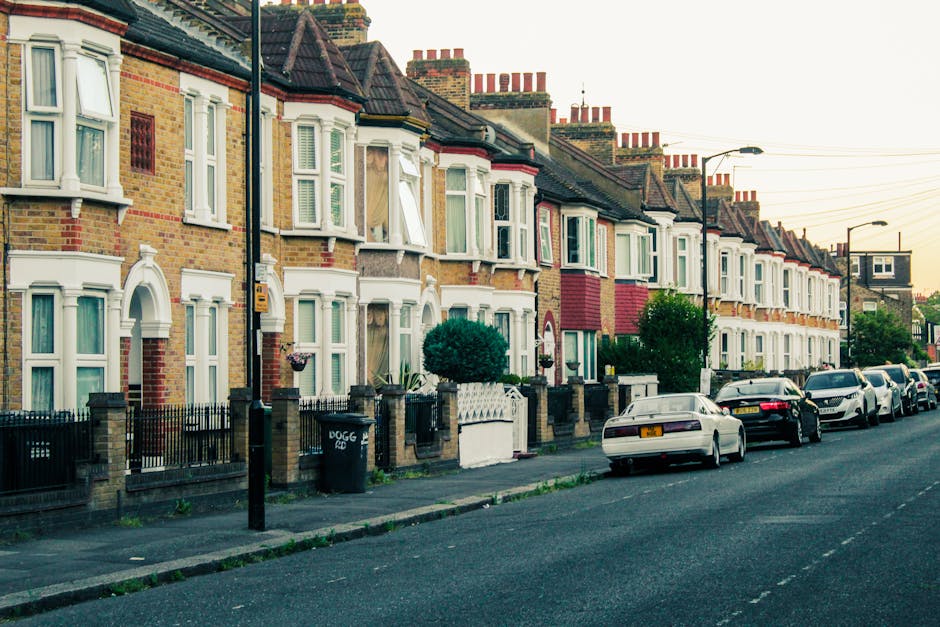
Ruislip is a suburban district in the London Borough of Hillingdon, in west London, with a long history that reaches back into the medieval period. It is known for its village-like centre around the High Street, where older buildings sit alongside modern shops and everyday services, and for the broader landscape of the Colne Valley to the west. The area developed from an ancient parish and later became shaped by transport changes, including the arrival of the Metropolitan Railway in the early twentieth century, which helped connect it more closely with central London while preserving a distinct local character. Ruislip Lido, an artificial lake created in the nineteenth century as part of a reservoir scheme, is one of the best-known local landmarks and remains associated with woodland walks, open water and family recreation. Nearby, Ruislip Woods offers one of the largest continuous areas of ancient woodland in Greater London, with routes through oak and hornbeam coppice and a setting that feels noticeably different from the surrounding suburbs. Historic buildings such as St Martin’s Church and Manor Farm add to the sense of continuity, while the wider district includes residential streets, schools, parks and neighbourhood shopping parades that reflect its mix of heritage and modern suburban life.
Final planning and quotation details

Once you have decided what needs clearing, the quotation process is usually easier when the request is specific. A short description of the property, the rooms involved and the main items to be removed is often enough to start the conversation. If there are special considerations, such as restricted access, a mixture of furniture and loose contents, or a requirement to leave certain items behind, those points should be included so the quotation reflects the real job rather than an estimate based on assumptions.
For many customers, the most useful outcome is not simply having items taken away, but knowing that the work has been handled in an orderly, practical way. That is why our service is built around clear communication, careful removal and sensible sorting from the first contact onward. If you are ready to arrange house clearance in Ruislip, request a quotation and describe the property in plain terms so the next step can be set out clearly.
When you want to move forward, keep the message brief but informative: what needs clearing, what should stay, and whether the property has any access issues or unusually bulky contents. Visit pricing and quotes if you would like to compare the general factors before sending the request, or simply ask for a quote in plain text and include the main details.