HA4 rubbish clearance tips for Victoria Road homes
If you live on or near Victoria Road in HA4, rubbish has a habit of building up quietly. A broken wardrobe in the spare room, a pile of old boxes in the hallway, garden clippings by the side gate, maybe a few bags that never quite made it to the tip. Then one morning you look around and think: right, this has to go. These HA4 rubbish clearance tips for Victoria Road homes are written to help you clear it properly, avoid common mistakes, and make sensible choices without turning the job into a weekend nightmare.
Whether you are dealing with a single bulky item or a full property clear-out, the key is to plan the work, separate what can be reused or recycled, and decide early whether a DIY approach or a professional service is the better fit. Let's face it, rubbish clearance looks simple until you are halfway up the stairs carrying a heavy chair and wondering why you started.
In this guide, you will find practical advice for everyday homes in Victoria Road and the wider HA4 area, including how rubbish clearance works, which methods suit different situations, what to avoid, and how to keep things safe, tidy, and efficient. You will also see where related services like house clearance, home clearance, and waste removal can fit into the picture when the pile is larger than expected.
Table of Contents
- Why HA4 rubbish clearance tips for Victoria Road homes Matters
- How HA4 rubbish clearance tips for Victoria Road homes Works
- Key Benefits and Practical Advantages
- Who This Is For and When It Makes Sense
- Step-by-Step Guidance
- Expert Tips for Better Results
- Common Mistakes to Avoid
- Tools, Resources and Recommendations
- Law, Compliance, Standards, or Best Practice
- Options, Methods, or Comparison Table
- Case Study or Real-World Example
- Practical Checklist
- Conclusion
- Frequently Asked Questions
Why HA4 rubbish clearance tips for Victoria Road homes Matters
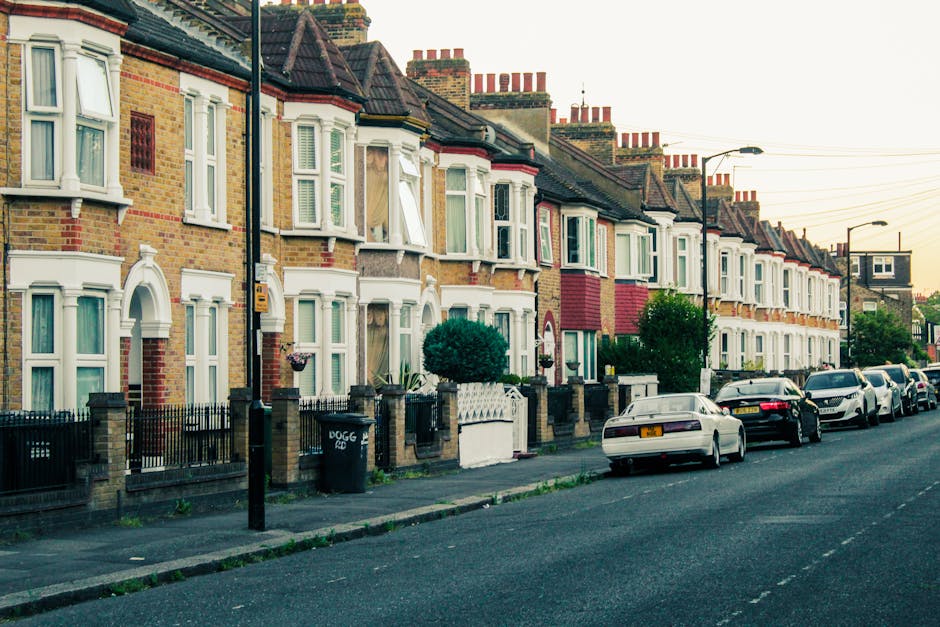
Victoria Road homes tend to face the same everyday clearance pressures as many London properties, but the details matter. There may be limited front access, narrow stairwells, parked cars outside, shared entrances, or simply not much storage indoors. Once rubbish starts gathering, it can affect how a home feels and functions. Clutter is noisy in its own way. You see it every time you walk past, even if you try not to.
Good clearance habits matter because they help you manage space, reduce stress, and avoid accidental damage. A poorly planned move can scratch walls, block walkways, or leave you with mixed waste that is harder to deal with later. If you are clearing a property before decorating, renting it out, or handing it over after a family move, the cost of rushing is usually more than the cost of doing it properly.
There is also a practical environmental angle. The better you sort items, the more can be reused, recycled, or handled through the right waste stream. That is why many people look not only for speed, but for a sensible and responsible approach, especially when they want a clearance that is clean, orderly, and respectful of the property.
Expert summary: the best rubbish clearance plan is rarely the fastest one at the start. It is the one that removes waste safely, avoids re-handling, and leaves the home easier to use afterwards.
How HA4 rubbish clearance tips for Victoria Road homes Works
At its simplest, rubbish clearance is the process of identifying unwanted items, sorting them, removing them from the home, and taking them to the correct destination. That destination may be a reuse route, a recycling facility, or a licensed waste transfer process depending on the material and condition of the items.
In a typical Victoria Road home, the process often starts with a quick assessment. What is bulky? What is recyclable? What must be treated carefully because it is sharp, heavy, or potentially contaminated? From there, you decide whether to do it yourself in stages or book a team for a larger job. If the job is more than a few bags, it often helps to think in terms of rooms rather than items. Loft, garage, hallway, kitchen, garden. That keeps it manageable.
For many households, rubbish clearance overlaps with other services. An overcrowded loft may need loft clearance. A packed garage often becomes a garage clearance. If old sofas, tables, or wardrobes are part of the problem, furniture clearance or furniture disposal may be a better fit than general waste handling.
The main thing is to match the method to the waste. That sounds obvious, but people get this wrong all the time.
Key Benefits and Practical Advantages
Clear rubbish properly and the benefits show up almost immediately. You get space back, but you also get mental space back too. A hallway that once felt squeezed can breathe again. A spare room can become a room again, not a storage puzzle.
- Better safety: fewer trip hazards, fewer unstable piles, less lifting in cramped spaces.
- Faster room use: whether you are redecorating, selling, or just trying to live more comfortably.
- Cleaner sorting: recyclable and reusable items are easier to separate when you start with a plan.
- Less stress: a clear schedule reduces the feeling that the job will drag on forever.
- More efficient removal: organised waste is usually easier to move and dispose of properly.
There is also a subtle but real benefit in being more deliberate. When you sort before removal, you often spot useful items you had forgotten about. A spare lamp, unopened household goods, decent tools, even furniture that is still in good condition. Not everything in a clearance pile is rubbish, despite what the pile looks like on a tired Saturday morning.
For larger clear-outs, the benefit is even clearer. A structured clearance can support moving day, tenancy changes, post-renovation tidying, or a reset after years of accumulated items. And if the job includes home-wide clutter, a combined house clearance or home clearance may be more efficient than tackling rooms one by one.
Who This Is For and When It Makes Sense
These tips are useful for a wide range of Victoria Road households. Some people are clearing one or two rooms. Others are dealing with a full property. The common thread is this: the rubbish has reached the point where ignoring it is no longer the easier option.
This guide makes sense if you are:
- preparing a home for sale or rent
- clearing after a move
- emptying a loft, garage, shed, or spare room
- removing old furniture or broken household items
- tidying up after DIY or light renovation work
- helping a relative downsize
- simply trying to regain usable space in a busy home
Sometimes the trigger is practical. Sometimes it is emotional. A family home can hold more stuff than anyone expects, especially after years of "I'll deal with that later." And later arrives with a dust sheet and a sore back. If that sounds familiar, you are not alone.
For businesses or mixed-use properties, the picture changes a bit. If the waste includes office furniture, archived paperwork, or commercial items, business waste removal or office clearance may be more appropriate. For building debris, builders waste clearance is the better route.
Step-by-Step Guidance
Here is a straightforward way to approach rubbish clearance in a Victoria Road home without overcomplicating it.
- Walk the property first. Make a quick list of what needs to go. Do not start lifting before you know the full picture.
- Sort by type. Separate general rubbish, recyclables, furniture, garden waste, DIY debris, and anything that might be reusable.
- Check for hazards. Look out for broken glass, old paint, sharp edges, damp items, or anything unusually heavy.
- Decide what stays local and what leaves. Items in good condition may be suitable for reuse, while damaged or dirty materials usually need disposal.
- Clear the easiest items first. Small wins matter. Bags, boxes, and light clutter make the space feel better quickly.
- Move to bulky or awkward items. Use proper lifting technique and avoid twisting with weight in your hands.
- Use the right removal method. DIY trips, man-and-van style help, or a full clearance service each suit different loads.
- Do a final sweep. Check corners, loft hatches, behind furniture, and under stairs. It is amazing what turns up in the last ten minutes.
A useful habit is to work room by room and finish each zone completely before moving on. Otherwise the house starts to look half-done everywhere, which somehow feels worse than starting. Strange, but true.
If you are clearing a property with a lot of item sorting, you may find it helpful to combine the job with a broader waste removal plan so nothing gets missed in the shuffle.
Expert Tips for Better Results
In our experience, the best clearance jobs are the ones where the decision-making happens early. Before the lifting. Before the van arrives. Before you are tempted to shove everything into one corner and call it done.
1. Keep a reuse pile separate
Even if you think most items are rubbish, set aside a reusable pile. A chair in decent condition or a box of household items can often be kept out of the waste stream. You may be surprised how much survives a second look under better light.
2. Do not underestimate access
Victoria Road homes may have front-facing access challenges, limited parking, or tight internal routes. Measure larger items before you try to move them. A wardrobe that "should fit" often does not fit when you reach the staircase. Annoying, yes.
3. Protect floors and walls first
Use blankets, cardboard, or protective coverings where needed. One scrape on a narrow hall wall can turn a neat clearance into a repair job. Better to spend five minutes protecting the route than an afternoon patching it later.
4. Stack safely, not stylishly
Heavy items should go low and stable. Put lighter, crushable items on top. If a pile looks wobbly, it is wobbly. Trust your instincts.
5. Plan for dust and hidden debris
Behind old furniture and in loft corners, there is often more dust than you expect. A torch, gloves, and a basic mask can make the process a lot more comfortable.
If you are comparing disposal routes, check the provider's approach to recycling and sustainability. That does not mean every item can be reused or recycled, but it is a good sign when the process is organised with care.
Common Mistakes to Avoid
Most clearance mistakes are not dramatic. They are ordinary, human, and slightly annoying. The trouble is that small mistakes create more work later.
- Mixing everything together: recyclable items, furniture, and general rubbish all in one pile slows the job down.
- Starting without a route: if the exit path is blocked, every lift becomes harder.
- Ignoring weight: some items look manageable until you tilt them. Then the surprise is unpleasant.
- Leaving sharp or broken materials loose: those need extra care and proper containment.
- Forgetting final checks: cupboards, under beds, loft corners, and sheds are easy to miss.
- Assuming all waste is the same: it is not. Garden waste, builders waste, furniture, and general household rubbish each need different handling.
Another common problem is the "I'll finish that later" approach. A half-cleared room can drag on for weeks. Better to do one contained section properly than leave five unfinished ones behind. That one always bites people.
Tools, Resources and Recommendations
You do not need a warehouse of equipment, just the right basics. A small amount of preparation makes the whole job smoother and safer.
| Tool or resource | Why it helps | Best use |
|---|---|---|
| Heavy-duty bags or sacks | Reduces splitting and spillage | General rubbish and mixed light waste |
| Gloves | Protects hands from dirt, edges, and splinters | Almost every clearance task |
| Moving blankets or sheets | Helps prevent scratches | Furniture and narrow indoor routes |
| Boxes or tubs | Useful for sorting smaller items | Books, household bits, mixed clutter |
| Labels or marker pens | Makes sorting easier | Reusable, recycle, dispose, keep |
| Torch | Helps check lofts, corners, and darker spaces | Pre-clearance inspection |
If your job goes beyond a few bags, it is often worth getting a clear quote before lifting too much. You can review pricing and quotes information to understand how larger clearances are usually approached. For more general background about the team and service values, about us is also a useful page to read.
And if you are still weighing up whether to do it yourself, start by asking a simple question: what will cost more, the time and effort of moving everything twice, or having it handled once in a planned way? That question is often the answer.
Law, Compliance, Standards, or Best Practice
For rubbish clearance in the UK, the safest approach is to follow good waste-handling practice and use responsible disposal routes. That means not fly-tipping, not leaving waste on pavements, and not handing mixed waste to someone who cannot show they are operating properly. If you use a clearance service, it is sensible to check that they are transparent about how waste is handled and that their processes are covered by appropriate safety and insurance arrangements.
In everyday terms, the best practice is straightforward: keep waste contained, move it safely, and make sure it ends up somewhere suitable. If items are electrical, sharp, contaminated, or unusually heavy, treat them with extra care. Household waste is one thing; a broken appliance in a narrow hallway is another.
Health and safety should not be an afterthought either. If a clearance involves stairs, loft access, damp materials, or items with mould or pests, extra caution is needed. You may also want to review a provider's health and safety policy and insurance and safety information before booking. That is just sensible, really.
For customers who care about business conduct and responsibility, it can also be reassuring to see a published modern slavery statement, especially when choosing a company for repeated or larger-scale work.
Options, Methods, or Comparison Table
There is no single right way to clear rubbish from a Victoria Road home. The best method depends on the amount of waste, how heavy it is, and how quickly you need the space back.
| Method | Best for | Pros | Trade-offs |
|---|---|---|---|
| DIY bagging and disposal | Small, light loads | Low cost, flexible timing | Time-consuming, physical effort, multiple trips |
| Room-by-room clearance | Medium household clear-outs | Organised, easier sorting | Can take several sessions |
| Bulky item collection | Furniture, appliances, single large items | Good for awkward waste | Not ideal for mixed loads |
| Full home clearance | Major decluttering, moves, bereavement, property prep | Fastest overall, more complete | Usually the most involved option |
If your clutter is mostly domestic and spread throughout the home, a broader home clearance may be the smoothest route. If the issue is a single room or a light tenancy reset, a smaller DIY approach could be enough. For garden-heavy waste, garden clearance is often the cleaner option.
Case Study or Real-World Example
Here is a realistic example. A Victoria Road household has a spare bedroom being used as a storage room. There are old books, two broken chairs, a damaged bedside cabinet, several bags of mixed household waste, and a few garden items that somehow ended up inside after winter. The room is not dangerous, but it feels cramped and slightly stale, which is often how these things start.
The homeowners begin by sorting items into four groups: keep, reuse, recycle, dispose. They remove the easy bags first, then the lighter shelves and small furniture, and finally the awkward cabinet. They protect the hallway with an old blanket, open windows for airflow, and check the loft hatch and wardrobe top before finishing. Halfway through, they realise the room has been hiding a decent lamp and some usable storage boxes. Not glamorous, but useful.
Because the furniture is mixed with general household waste, they decide that a combined clearance approach is better than repeated trips. The result is a room that can actually be used again. The best part? The job felt manageable because it was broken into stages. That is usually the turning point.
For properties with more widespread clutter, the same approach scales up well with a proper house clearance service, especially when time is tight or access is awkward.
Practical Checklist
Use this checklist before you start. It keeps the job grounded.
- Walk through every room and note what needs removing.
- Separate general rubbish, recycling, furniture, and reusable items.
- Check for sharp edges, heavy loads, damp patches, and trip hazards.
- Clear access routes before lifting anything bulky.
- Gather gloves, bags, boxes, and protective coverings.
- Measure awkward items before moving them downstairs.
- Keep one area as a sorting zone so clutter does not spread.
- Double-check lofts, under beds, cupboards, and garden corners.
- Decide early whether DIY or professional help makes more sense.
- Review any service details, including safety and payment information, before booking.
One small habit that helps a lot: put a bin bag by the door and fill it as you go. Tiny thing, big difference. You feel progress almost immediately.
Conclusion
Rubbish clearance in Victoria Road homes does not have to feel overwhelming. With a clear plan, a sensible sorting process, and the right method for the job, you can turn a cluttered home into a calmer one without unnecessary stress. The trick is to start small, stay organised, and choose the clearance route that fits the actual waste rather than the waste you hope it is.
If you are dealing with furniture, loft clutter, garden waste, builders debris, or a full property reset, the right approach will save time, protect the home, and make the whole process feel far more manageable. And once the piles are gone, the room often feels bigger than you remembered. That part never gets old.
Get a free quote today and see how much you can save.
If you want to understand the company behind these services a little better, you can also visit the contact page or read more about the team's approach on the about us page. Sometimes a short conversation clears up more than an hour of guesswork.
There is something genuinely satisfying about finishing a clearance and seeing the floor again. Simple, really. But nice.
Frequently Asked Questions
What is the easiest way to start rubbish clearance in a Victoria Road home?
Start with a quick walk-through and make a list of what actually needs to go. Then sort items into keep, recycle, reuse, and dispose before you lift anything. That small bit of planning prevents a lot of back-and-forth later.
Should I clear one room at a time or do the whole house at once?
If the job is moderate, one room at a time is usually less stressful and easier to manage. If the home is heavily cluttered or you are under time pressure, a full home clearance may be more efficient.
Can old furniture be included in rubbish clearance?
Yes, but it is often better to treat it as furniture clearance or furniture disposal rather than mixed rubbish. That makes sorting, lifting, and disposal much cleaner and more sensible.
What should I do with garden waste from a Victoria Road property?
Keep garden waste separate if you can. Soil, branches, hedge cuttings, and plant material are easier to handle when grouped together, and a dedicated garden clearance route is often the tidiest option.
Is it worth hiring help for just a few bulky items?
Often, yes. If the items are heavy, awkward, or difficult to carry through narrow indoor spaces, professional help can save time and reduce the chance of damage or injury.
How do I know if my waste needs special handling?
If it is sharp, contaminated, electrical, damp, mouldy, or unusually heavy, treat it as special-handling waste. When in doubt, separate it and ask before moving it with general rubbish.
What are the most common mistakes people make during clearance?
The biggest mistakes are mixing all waste together, underestimating weight, blocking access routes, and forgetting to check lofts, cupboards, and corners at the end. Small mistakes, but they add up.
How can I make rubbish clearance safer at home?
Wear gloves, protect floors, keep walkways clear, and avoid lifting loads that feel unstable. If something looks too heavy or too awkward, get help rather than forcing it. That is the boring answer, but the right one.
Do I need to check safety or insurance details before booking a service?
Yes, that is a sensible step. It is worth reviewing a provider's insurance and safety information and their health and safety policy so you know what to expect.
How do I keep costs under control?
Sort items in advance, separate reusable pieces, and give a clear description of the load before requesting a price. You can also review pricing and quotes guidance to understand what usually affects the final figure.
What if I only need help with one part of the property, like the loft or garage?
That is perfectly normal. A loft clearance or garage clearance can be a targeted, practical solution when the rest of the home is fine.
How can I choose a responsible clearance service?
Look for clear communication, sensible safety practices, and a responsible approach to reuse and recycling. A page about recycling and sustainability can also give you a feel for how waste is handled.