Comprehending Hard Rubbish: A Deep Dive Into Disposal Remedies
Every household inevitably faces the dilemma of disposing of hard rubbish. Whether it's a broken couch, an outdated refrigerator, or large, unusable materials, understanding how to manage these items responsibly is crucial. In this article, we'll explore various strategies to handle hard rubbish effectively, emphasizing sustainable practices.
Understanding Hard Rubbish
Before delving into disposal solutions, it's essential to comprehend what qualifies as hard rubbish. Typically, hard rubbish encompasses large household items that cannot be disposed of through regular waste collection. This can include furniture, mattresses, white goods like refrigerators, dishwashers, and electronic waste (e-waste).
The Environmental Impact
The accumulation of hard rubbish is not just an inconvenience; it significantly affects the environment. Many of these items are non-biodegradable and can take years to decompose. Consequently, improper disposal contributes to landfill overflow, soil degradation, and increased pollution.

Disposal Remedies for Hard Rubbish
Tackling hard rubbish requires responsible strategies that prioritize sustainability. Below are several remedies to consider:
1. Council Collections
- Most municipalities offer hard rubbish collection services, typically scheduled annually or bi-annually. Utilizing these services ensures that large waste is disposed of properly.
- Check your local council's guidelines for accepted items as restrictions often apply.
2. Recycling Centers
Many recycling centers accept hard waste. These facilities specialize in salvaging useful materials from disposed items.
- Electronics and metals are frequently processed, minimizing the need for new resources.
- Contact local centers to understand what materials they accept and any potential fees involved.
3. Donation
Just because something is no longer useful to you doesn't mean it lacks value.
- Charities and thrift stores often accept furniture and appliances in good condition.
- Repair cafes and community centers might take items that can be fixed and reused.
4. Selling or Giving Away
Consider online platforms to sell or give away your hard rubbish. Websites and apps dedicated to secondhand items can facilitate this process.
- Benefits: Transform waste disposal into an opportunity to earn some extra cash or connect with those in need.
- Remember: Be transparent about the condition of the items.
The Role of Innovation in Hard Rubbish Disposal
Technological advancements and innovative management practices have introduced new dimensions to managing hard waste.
Sustainable Materials and Product Design
- Encouraging manufacturers to utilize materials that are easier to recycle or decompose can dramatically reduce waste.
- Design for disassembly is a concept promoting products that can be easily taken apart, allowing more efficient recycling and disposal.
Apps and Digital Platforms
Technology can bridge the gap between consumers and disposal solutions.
- Apps that connect users directly with recycling services or provide pickup scheduling options.
- Peer-to-peer platforms enabling users to list unwanted items for others who might use or repurpose them.
Extended Producer Responsibility (EPR)
Encouraging companies to take responsibility for their products throughout the lifecycle is becoming a significant trend.
- This includes taking back old products for recycling or offering returns for a discount on new purchases.
- EPR policies are designed to make manufacturers accountable, thereby reducing the burden on municipalities and consumers.
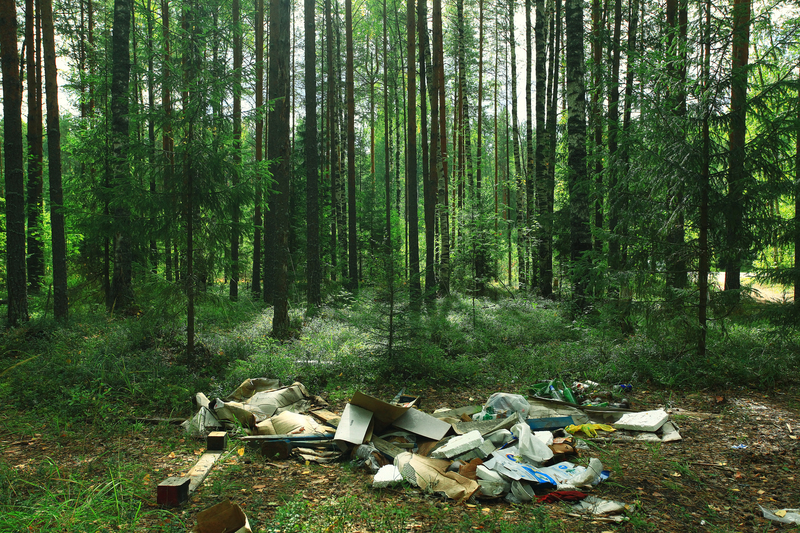
Challenges in Hard Rubbish Disposal
Despite the available options, managing hard rubbish can present several challenges:
Logistical Issues
- Scheduling pickups can be a hassle, particularly for those without easy access to transportation.
- Rural and remote areas might not have access to recycling centers or regular collection services.
Lack of Awareness
Many people are simply unaware of the disposal options available to them, leading to improper and often environmentally harmful practices.
- Education campaigns and increased access to information are critical to improving awareness.
Conclusion
Effectively managing hard rubbish is not only a matter of convenience but also an environmental imperative. With a combination of proper disposal practices and innovative solutions, we can alleviate the burden of waste on our planet.
Investing in education, expanded services, and technological solutions will be pivotal in fostering sustainable habits. By comprehending the importance and methods of responsible hard rubbish disposal, we can all contribute to a more sustainable future.