10 Smart Approaches to Reduce Your Green Waste Footprint
In an era where environmental sustainability is more pivotal than ever, effectively managing your green waste is crucial. Green waste, which includes organic waste such as grass clippings, branches, leaves, and other yard debris, can be both a challenge and an opportunity. Implementing smart approaches to reduce your green waste footprint not only contributes to a healthier planet but also enhances your garden and personal space. Here, we elucidate 10 practical methods to manage and reduce your green waste footprint.
1. Start a Compost Pile
Composting is one of the most effective ways to manage organic waste. By starting a compost pile, you are converting garden waste into valuable nutrients for your soil. Decomposed organic material can enrich your garden and reduce the need for chemical fertilizers.
Benefits of Composting
- Improves soil structure and fertility.
- Reduces the amount of waste sent to landfills.
- Decreases the use of harmful fertilizers.

2. Mulch for Moisture
Mulching involves covering the soil with organic matter like shredded leaves or grass clippings. This technique not only retains soil moisture but also helps in suppressing weeds.
How Mulching Helps
- Retains moisture, reducing the need for frequent watering.
- Prevents weed growth, thus decreasing garden maintenance.
- Gradually decomposes to add nutrients to the soil.
3. Grasscycling
Grasscycling is the process of recycling grass clippings by leaving them on your lawn after mowing. This practice reduces the amount of green waste and returns valuable nutrients to the soil.
Benefits of Grasscycling
- Eliminates the need to bag and dispose of grass clippings.
- Reduces the need for fertilizers.
- Improves soil health over time.
4. Implement Vermicomposting
Vermicomposting uses worms to break down organic waste, producing high-quality compost known as worm castings. This method is particularly useful for small spaces or those without a traditional compost pile.
Advantages of Vermicomposting
- Produces nutrient-rich compost without the need for large space.
- Fast and efficient decomposition process.
- Reduces household green waste effectively.
5. Intelligent Planting
Consider planting native or drought-resistant plants that do not require frequent pruning or watering. This practice reduces the generation of green waste and minimizes the use of resources.
Smart Planting Tips
- Choose low-maintenance plant species.
- Utilize edible landscaping to blend aesthetics with function.
- Design your garden to include perennial plants that require less upkeep.
6. Use Green Waste Bins Efficiently
Make sure to utilize municipal green waste collection services effectively. Follow local guidelines for separating and disposing of green waste in designated bins.
Effective Use of Green Waste Services
- Separate waste properly to ensure it can be recycled or composted.
- Utilize community green waste drop-off sites when available.
- Keep bins and disposal areas clean to prevent contamination.
7. Create a Leaf Mold Bin
Leaf mold is decomposed leaves that act as a soil conditioner. Collect fallen leaves and store them in a wire bin or black plastic bags to decompose.
Leaf Mold Benefits
- Improves water retention in soil.
- Provides habitat for soil microorganisms.
- Enriches the soil without the use of fertilizers.
8. Crafting and Reusing Yard Waste
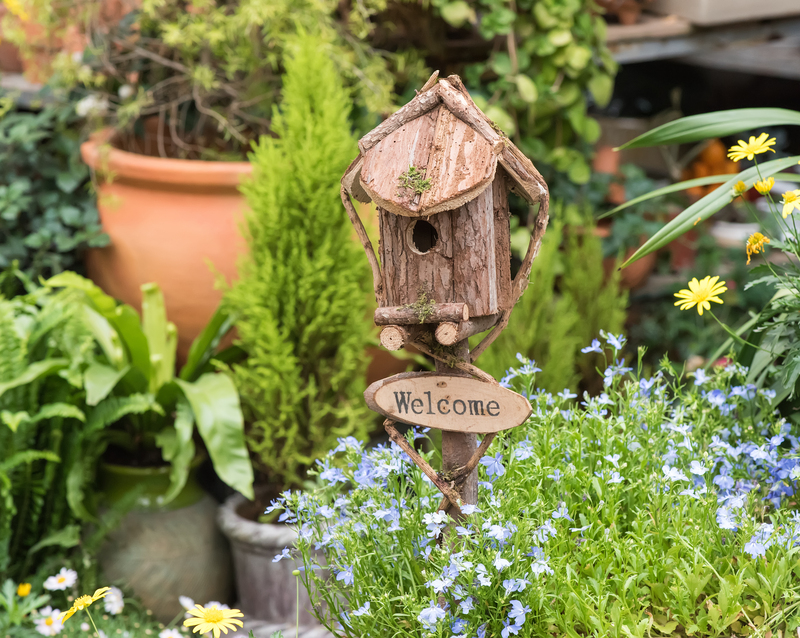
Let your creativity flow by reusing green waste for crafting or functional garden d?cor, such as creating natural fences or trellises from branches.
Creative Uses for Yard Waste
- Construct rustic garden accessories from twigs and branches.
- Develop compost bins or barriers with scrap materials.
- Make DIY plant markers from reclaimed wood or stones.
9. Practice Community Sharing and Swapping
Join local community programs where you can share surplus garden produce, seeds, or even compost. These initiatives help in reducing waste and promoting sustainable practices.
Community Sharing Benefits
- Reduce personal and community waste.
- Build strong community ties and support networks.
- Gain access to diversified and fresh garden produce.
10. Educate and Encourage Others
Share your knowledge and experiences in reducing a green waste footprint with friends, family, and community groups. Encouraging others to adopt sustainable practices benefits everyone.
How to Advocate for Sustainability
- Host workshops or informational classes.
- Share tips and success stories on social media platforms.
- Create or join local environmental groups focusing on sustainability education.
Reducing your green waste footprint not only contributes to environmental sustainability but also enhances the health and aesthetics of your local ecosystem. Embrace these approaches and make a meaningful impact by turning potential waste into valuable resources.