How to Handle the Situation if Your Bin Is Left Behind
Have you ever strolled out on collection day, hoping to see an empty bin waiting to be wheeled back to its spot, only to find it still full? If your bin has been left behind, don't worry. There are several effective strategies to ensure its prompt collection and prevent future issues. This comprehensive guide will help you understand what steps to take if a bin collection mishap occurs.
Understanding the Reasons Behind Uncollected Bins
Before taking action, it's crucial to understand why your bin may have been left behind. There are various possible reasons, including:
- Incorrect Placement: Bins must be placed correctly, often at the curbside or specified location, to facilitate easy pick-up by waste collection services.
- Overflowing Waste: If your bin is overfilled or the lid cannot close, waste collectors may leave it behind due to regulations or safety concerns.
- Wrong Collection Day: Mistakes in noting collection schedules can lead to bins being put out on the wrong day.
- Weather Conditions: Severe weather may delay or interrupt collection services temporarily.
- Staffing Issues: Occasionally, a shortage of staff or equipment might cause a missed pick-up.
Addressing Immediate Concerns
If you find yourself in this predicament, don't fret. Here are initial action steps to consider:
- Verify Collection Schedules: Double-check your local council or waste service's calendar to ensure you've set your bins out on the correct day.
- Inspect Bin Placement: Ensure your bin is not obstructed by vehicles or other objects, and that it adheres to local guidelines.
- Review Bin Contents: Confirm that your waste bin is not overfilled and that it contains only approved materials for disposal.
Contacting Waste Management Services
If the collection issue persists despite taking initial steps, it may be time to contact your local waste management services. Here's how:
- Find Contact Information: Visit the official local government or waste service website for the correct contact details.
- Provide Necessary Details: Clearly explain the situation, including your address, the type of bin left uncollected, and any potential reasons you have identified.
- Stay Informed: Ask about any scheduled return collections and inquire whether the issue is part of a broader problem in your area.
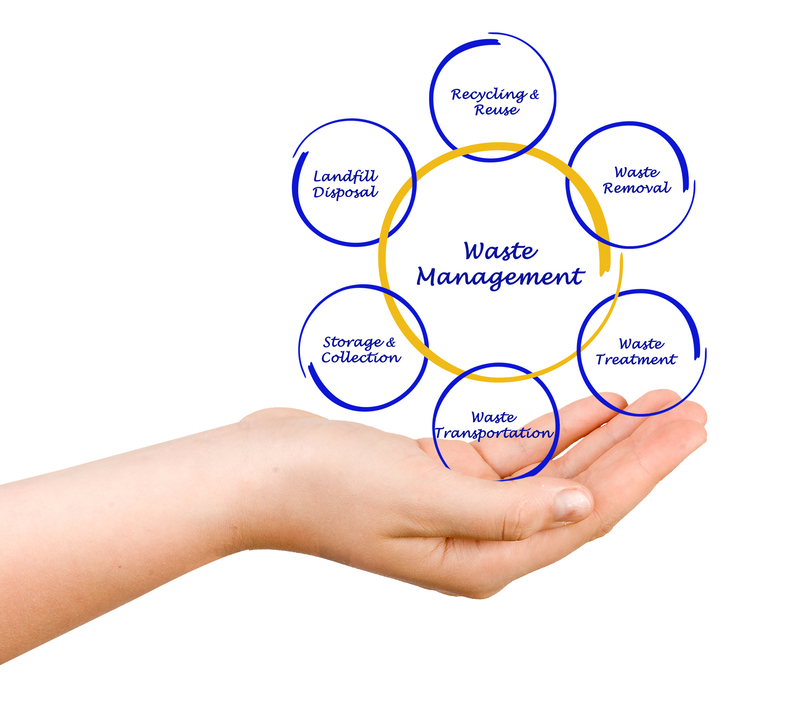

Long-Term Solutions for Consistent Bin Collection
Ensuring regular garbage collection requires proactive measures. Consider these long-term strategies:
Create a Routine
Establishing a consistent routine can prevent future oversights:
- Set Daily Reminders: Use calendars or digital apps to remind yourself of collection days.
- Neighborly Coordination: Coordinate with neighbors to ensure everyone is aware of collection timings, especially important during schedule changes.
Invest in the Right Equipment
Proper bin choice can make a difference:
- Durable Containers: Invest in bins that can withstand adverse weather and general wear and tear.
- Wheel Functionality: Ensure your bins are easy to move, especially if your collection area is distant from your home.
Community Engagement
Engaging with your community can help address recurring issues:
- Attend Council Meetings: Participate in environmental or waste management meetings to stay informed and voice concerns.
- Join a Local Group: Many communities have green initiatives or local groups focusing on efficient waste management.
Common Myths About Bin Collection
Let's debunk a few myths often associated with waste collection:
- Myth: Bins Not Collected in Bad Weather - While severe weather can cause delays, most services operate through moderate weather conditions.
- Myth: All Waste Can Be Disposed Of in the Same Bin - Adherence to recycling guidelines is crucial for effective waste management.
- Myth: Leftover Bins Indicate Poor Service - Missed collections can often result from simple errors or miscommunications rather than inefficiency.
Conclusion
Handling a situation where your bin is left uncollected can be a frustrating experience, but understanding the possible reasons and taking informed action can minimize inconvenience. By communicating effectively with waste management services, adopting consistent practices, and engaging with the local community, you can ensure your waste is collected regularly and efficiently. Remember, active participation in bin management is part of a larger environmental responsibility that benefits your community and the planet.
By following these steps, you not only resolve immediate issues but also contribute to a more sustainable and organized waste management system in your locality.