Building a Greener Future: Teaching Kids About Recycling
In a world where protecting our planet is becoming more important every day, educating the next generation about sustainable living is essential. One of the most impactful ways we can accomplish this is by teaching kids about recycling. Not only does this help preserve resources, but it also instills a sense of responsibility in children that lasts a lifetime.
Why Is Teaching Children About Recycling So Important?
Teaching children about recycling is not just about sorting waste. It's about fostering a mindset that values environmental stewardship. When kids understand the importance of recycling, they are more likely to carry these habits with them into adulthood, creating a greener and more sustainable planet for generations to come.
Key Reasons Why Recycling Education Matters
- Reduces Landfill Waste: Less trash means less pollution and less space taken up in landfills.
- Conserves Natural Resources: Recycling saves trees, water, and minerals by reducing the need for raw materials.
- Teaches Responsibility: Children learn the impact of their actions and how they can positively influence the environment.
- Builds Lifelong Habits: Starting recycling practices early cements these habits, which are likely to be carried into adulthood.
- Encourages Curiosity and Learning: Kids who are taught about sustainability become more curious about science, ecology, and global issues.
Understanding Recycling: The Basics
Before we can teach kids about recycling, it's important to break down what recycling actually is. At its core, recycling is the process of converting waste materials into reusable objects, reducing the need to consume fresh, raw materials. This minimizes energy usage, lowers pollution, and lessens greenhouse gas emissions.
The Three R's: Reduce, Reuse, Recycle
Recycling education for kids often starts with the "Three R's":
- Reduce: Use less and avoid waste.
- Reuse: Find a new purpose for items instead of throwing them away.
- Recycle: Process items so they can be remade into new products.
Instilling these values early makes children more conscious about waste creation and management.
Fun and Effective Ways to Teach Kids About Recycling
Kids learn best through engaging and hands-on activities. Here are some strategies parents and educators can use to make recycling fun and educational:
1. Interactive Sorting Games
- Create a recycling challenge: Set up different bins labeled "Paper," "Plastic," "Glass," and "Compost." Collect various household items and have children guess which bin each item belongs to.
- Reward correct answers: Offer small rewards or praise for getting it right, making the activity exciting and memorable.
2. DIY Recycling Projects
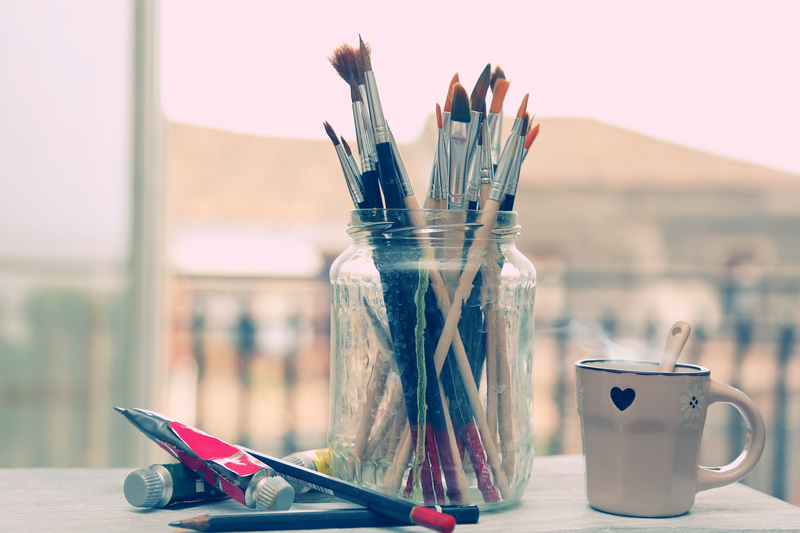
- Crafts with recyclables: Use empty bottles, cans, or cardboard to create art and practical items, like planters or pencil holders.
- Host a recycled art competition: Encourage kids to bring in projects made entirely from recycled materials and display their creations in the classroom or at home.
3. Storytelling and Educational Videos
- Read children's books about recycling: There are numerous engaging stories that teach young readers why and how to recycle.
- Watch fun videos: Platforms like YouTube and educational websites provide kid-friendly videos explaining how recycling works and its benefits.
4. Field Trips to Recycling Centers
- Organize a visit: Take children to a local recycling plant or center to see the process firsthand. Real-life observations make the concepts more tangible and interesting.
5. Recycling at Home: Family Participation
- Create a family recycling system: Set up labeled bins in visible areas at home and encourage everyone to use them.
- Track your progress: Make a chart to see how much your family recycles each week. Celebrate improvements together!
Simple Terms: Explaining Why Recycling Matters
Young children may ask, "Why do we recycle?" Explaining the purpose behind environmental conservation is crucial. Here's how you can simplify the explanation:
- It helps keep our Earth clean and beautiful - when we recycle, there's less trash polluting our parks, rivers, and oceans.
- It saves animals - plastic and garbage can hurt animals. Recycling helps keep their homes safe.
- It gives old things new life - just like turning an old shirt into a rag, recycling helps old bits and pieces become brand new products.
Everyday Recycling: Practical Lessons for Kids
Building a greener future means making recycling part of daily routines. Here's how to turn day-to-day activities into learning opportunities:
Recycling in the Kitchen
- Teach children to rinse cans, bottles, and containers before putting them in the recycling bin.
- Show them the difference between compost (food scraps) and recyclables (paper, plastic, glass).
Recycling in School
- Encourage kids to use both sides of paper and recycle used sheets.
- Choose lunchboxes and reusable water bottles instead of disposable versions.
Recycling in the Community
- Participate in local clean-up events and recycling drives.
- Support and visit community recycling stations with your children.
Common Recycling Mistakes and How to Avoid Them
No recycling program is perfect, and even adults make mistakes! Educating kids on these can further strengthen their understanding.
- Wish-cycling: Throwing something in the bin hoping it's recyclable. Teach children to always check for recycling symbols.
- Not cleaning items: Remind kids to rinse containers, as dirty items can contaminate entire batches of recycling.
- Bagged recyclables: Most recycling centers do not accept materials in plastic bags. Place items loose in the bin instead.
- Mixing materials: Separate paper, plastics, and glass to avoid contamination.
Inspiring a Lasting Impact: Growing Up Green
Green education is more than just teaching the technical side of recycling. It's about cultivating empathy toward our planet. Here are some creative ways to inspire this mindset:
Be a Role Model
- Lead by example: When children see adults in their lives actively recycling, they are likely to imitate these behaviors.
Encourage Curiosity
- Ask questions: "What do you think happens to a can after we recycle it?" Encourage children to think critically and search for answers together.
Expand Beyond Recycling
- Explore composting, upcycling, and reducing consumption. Show children all the different ways they can make a positive impact.
- Engage in environmental projects: Planting trees, starting a school garden, or organizing a clothing swap expand their understanding of sustainability.
Resources to Support Kids' Recycling Education
Lots of resources can help guide your journey in teaching kids about recycling:
- EPA Recycling Education Resources
- National Geographic Kids - Recycling Facts
- NatGeo Kids - How to Recycle
- Local city or council websites - Many cities offer PDFs and games targeted at young recyclers.
Recycling Challenges: Encourage Kids to Be Environment Heroes!
Inspire children to take ownership of their actions with fun recycling challenges:
- Zero-Waste Lunch: Pack a lunch with no disposables and see how little trash you generate.
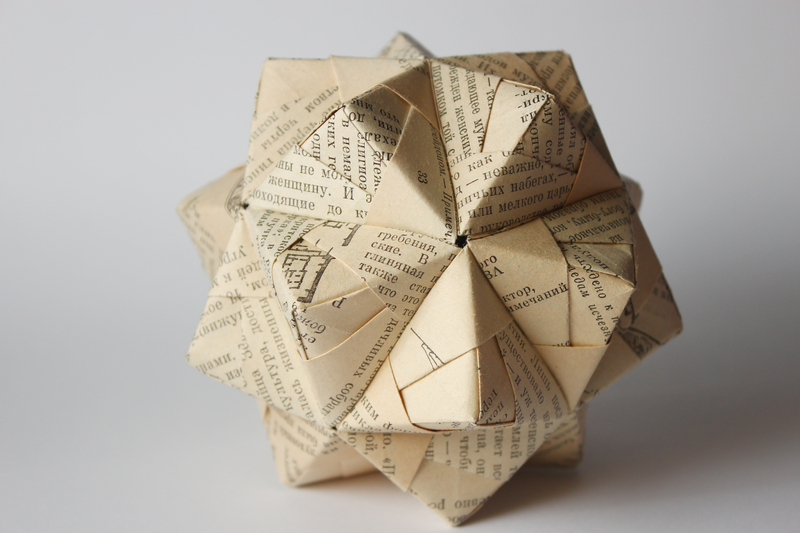
- Recycling Art Show: Create artwork using only recycled materials and showcase it at home or school.
- Neighborhood Clean-Up: Organize or join a clean-up day and teach kids how to sort found materials into recycling versus trash.
Parents and Teachers: Your Role in Building a Greener Future
Both at home and in the classroom, adults play a critical role in teaching kids about recycling and sustainability. Here's how you can make a difference:
- Start Early: Even toddlers can understand the basics. Involve young children by letting them push paper into the recycling bin or sorting objects by color or material.
- Make Recycling Visible and Easy: Place recycling bins in accessible areas and use clear labels or pictures.
- Consistency is Key: Children thrive on routines. Make recycling a part of everyday life.
- Discuss and Celebrate: Talk about why you recycle and celebrate milestones to encourage ongoing participation.
Conclusion: Raising the Next Generation of Environmental Stewards
Building a greener future begins at home and in our schools. By consistently teaching kids about recycling, we give them the tools and values needed to create positive change. With interactive activities, clear explanations, and adult support, every child can become a champion for sustainability. Let's work together to nurture a generation that not only understands recycling, but embraces it as part of everyday life, ensuring a cleaner, brighter world for all.
Remember, small actions today can make a big difference tomorrow. Start teaching children about recycling now, and together, let's build a greener, more hopeful future.